Rob

My Favourite Research Papers of 2020

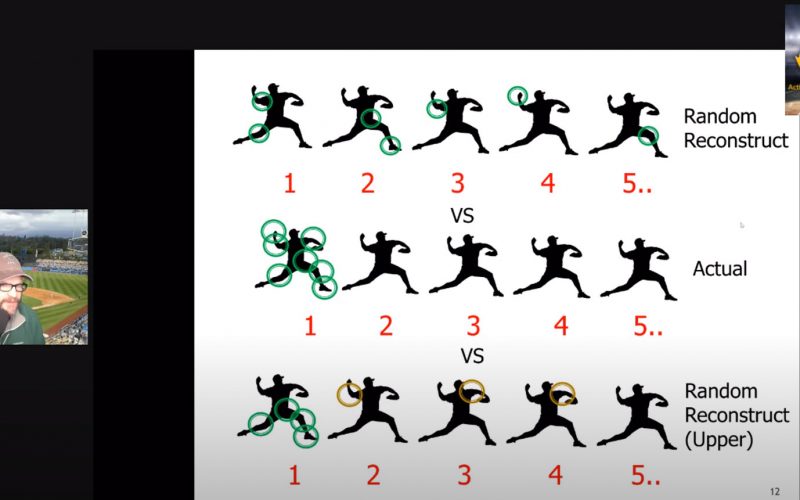
To wrap-up the year I am creating some video reviews of some of my favourite journal articles from 2020, putting my own ecological spin on things 🙂 Motor learning in real-world pool billiards Consistent Hand Dynamics Are Achieved by Controlling Variabilities Among Joint Movements During Fastball Pitching Fatigue-Related and Timescale-Dependent Changes in Individual Movement Patterns…

Read More

331 – Journal Club #24: Talent Development & How Elite Athletes are Made

331 A discussion about talent development. How can it be facilitated through coaching and practice design? What role does technology and analytics have to play?Download link Links:The Best: How Elite Athletes are Made More information:Subscribe in iOS/AppleSubscribe in Android/GoogleMy Research Gate Page (pdfs of my articles)My ASU Web pagePodcast Facebook page (videos, pics, etc)Email: robgray@asu.edu…

Read More

330 – Interview with Bill Warren, Brown, The Ecological Approach to Perception-Action

330 A discussion with Bill Warren from Brown University about his extensive body of work using an ecological approach to perceptual-motor control. Topics include affordances, calibration, information-based v internal model control, why “behavior is regular without being regulated” and where the ecological approach is headed.    Download link More info about my guest:https://vivo.brown.edu/display/wwarrenjhttps://www.researchgate.net/profile/William_Warren12 More information:Subscribe in…

Read More

329 – Journal Club #22: Designing Practice Warm-Up

329 A discussion about practice warm-up sessions. What should their purpose really be? How can we innovate and re-design them to promote exploration and pave the way for motor learning?Download link Links: More information:Subscribe in iOS/AppleSubscribe in Android/GoogleMy Research Gate Page (pdfs of my articles)My ASU Web pagePodcast Facebook page (videos, pics, etc)Email: robgray@asu.edu Support…

Read More

328 – Interview with Frans Bosch, Movement Analysis in Sport

328 A discussion with Frans Bosch about his new book, Anatomy of Agility – Movement Analysis in Sport. Why is it critical to take into account the body’s interests when coaching movement? Why is stability more important than perfecting a movement? How can a coach manipulate variability in practice to influence the development of attractors?…

Read More

327 – Interview with Sian Beilock, Barnard, Building a Toolbox for Performing Under Pressure

327 A discussion with Sian Beilock from Barnard College. Why does pressure affect different performers in different ways? What should be in your toolbox when preparing for a high pressure situation or recovering from a situation where you didn’t handle pressure as well as you would have liked? How can we best train to prevent…

Read More

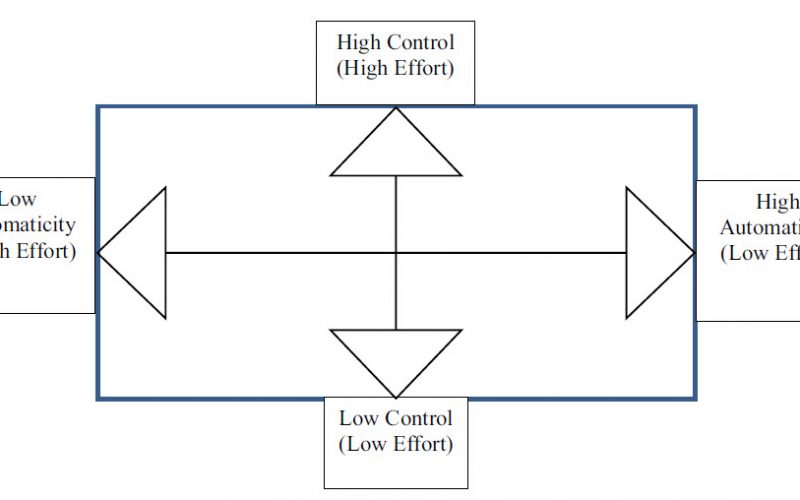
326 – Revisiting “Automaticity” & Its Relevance to Skilled Performance

326 Revisiting the concept of “automaticity”. Does it still have relevance to understanding skilled performance? Should the goal of training really be to get a performer to a stage where they are doing things automatically? Or, is it time to retire this idea to the legends section of the motor learning hall of fame?Download link…

Read More

The Two Skill Acquisition Approaches: Key Differences

Outlining the key differences between the Information Processing and Ecological Approaches to Skill Acquisition. Is this a useful dichotomy?

Read More

325 – Journal Club #21: Fundamental Movement Skills

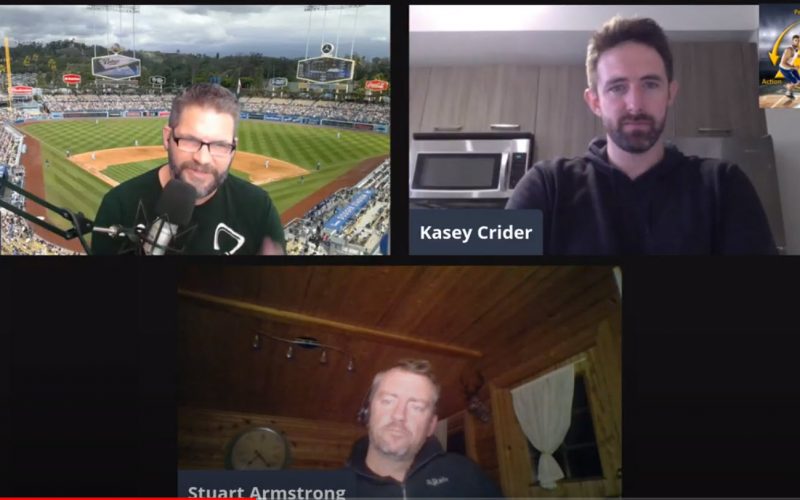
325 I am joined by Stu Armstrong and Kasey Crider to discuss Karl Newell’s recent article “What are Fundamental Motor Skills and What is Fundamental About Them?” What exactly are they? Do we need to teach them to new learners before they can begin to explore and self-organize? What are the potential dangers of doing…

Read More

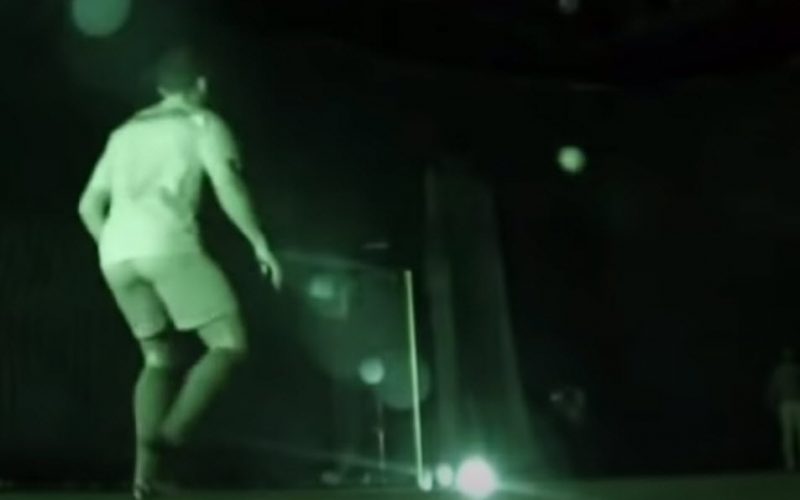
Why Cristiano Ronaldo’s Ability to Play “in the Dark” is not Evidence for Predictive Control

I think by now most people have seen the video demonstrating Christiana Ronaldo’s incredible ability to play soccer “in the dark” – that is, execute skilled actions when the lights are turned completely off at some point. The typical explanation for why he can do this (including the one given by the people in the…

Read More